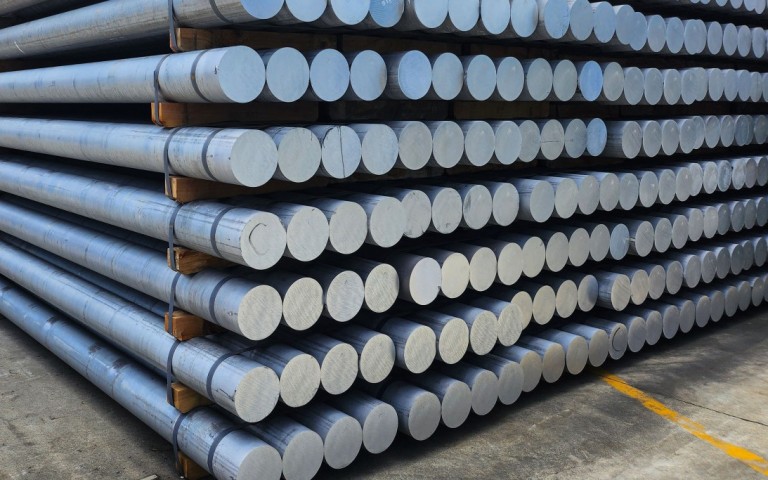
When it comes to fabrication, precision isn’t just a nice-to-have — it directly impacts performance, durability, and cost. That’s where aluminium cutting plays such a crucial role. Whether you’re working with sheet, plate, or extrusions, how the material is cut at the start of a project often determines how well everything else comes together. Poor cutting results in rework, wasted material, and compromised structural integrity. Done correctly, it lays the foundation for quality outcomes.
Aluminium is a versatile material, but it also demands accuracy. Its lightweight nature and strength make it ideal across industries like transport, marine, and architecture, but those same properties mean it needs careful handling during fabrication. Even small inconsistencies in cutting can lead to alignment issues or weak joins later on.
Precision at the Start Shapes the Entire Outcome
Fabrication is a step-by-step process, and each stage builds on the one before it. If the initial cuts are even slightly off, those errors compound. Components may not align correctly, welds may require extra work, and the final product might not meet specifications.
Accurate cutting ensures that every part fits as intended. This is especially important in projects that involve tight tolerances or repeated components. When parts are cut consistently, assembly becomes smoother and faster. There’s less need for manual adjustments, which reduces labour time and improves overall efficiency.
Beyond that, precision cutting also supports better surface finishes. Clean edges reduce the need for secondary processing like grinding or sanding, which not only saves time but also maintains the integrity of the material.
Efficiency Gains Through Smart Cutting Methods
Let’s be real — time and material costs can make or break a fabrication project. Efficient cutting methods help reduce both. Advanced technologies allow fabricators to maximise material usage while maintaining accuracy, which directly impacts the bottom line.
Take CNC Router cutting, for example. This method uses computer-controlled machinery to execute highly precise cuts based on digital designs. It allows for complex shapes and repeatable accuracy, which is particularly useful for large-scale or custom projects. It also minimises human error and speeds up production timelines.
Another advantage lies in material optimisation. Nesting software can arrange parts in a way that reduces waste, ensuring that more usable components are produced from each sheet or plate. Over time, these efficiencies add up to significant savings.
Strength and Structural Integrity Depend on Quality Cuts
Cutting isn’t just about shaping material — it directly affects how that material performs. Poor cutting techniques can introduce heat-affected zones, rough edges, or micro-fractures. These imperfections may not be obvious at first, but they can weaken the structure over time.
High-quality aluminium cutting avoids these issues by producing clean, smooth edges without excessive heat or distortion. This is particularly important for components that will be welded or exposed to stress. Clean cuts improve weld strength and ensure a more reliable bond between parts.
In applications such as transport or marine environments, where materials are subject to constant movement or exposure to the elements, structural integrity is non-negotiable. Precision cutting helps ensure that components can withstand these demands without failure.
Consistency Across Large and Complex Projects
Fabrication projects often involve multiple components that must work together seamlessly. Consistency is key, especially when dealing with large production runs or intricate designs.
Uniform cutting ensures that every piece matches the required specifications. This consistency simplifies assembly and reduces the likelihood of errors. It also supports scalability — once a cutting process is optimised, it can be replicated across larger volumes without compromising quality.
For complex designs, accurate cutting becomes even more important. Intricate profiles or detailed patterns require a high level of precision to maintain their shape and function. Advanced cutting methods make it possible to achieve these results reliably, even for challenging designs.
Reducing Rework and Improving Workflow
Rework is one of the biggest drains on time and resources in fabrication. When parts don’t fit or meet specifications, they need to be adjusted or remade. This not only delays the project but also increases costs.
Reliable aluminium cutting reduces the likelihood of these issues. When parts are cut correctly the first time, they move smoothly through the fabrication process. This improves workflow and allows teams to focus on value-adding tasks rather than fixing mistakes.
It also enhances collaboration between different stages of production. When cutting, fabrication, and finishing processes are aligned, projects run more efficiently from start to finish.
Supporting Better Finishing and Aesthetics
Fabrication isn’t just about function — appearance matters too, especially in architectural or consumer-facing applications. The quality of the cut plays a significant role in the final look of a product.
Clean, precise cuts create a better base for surface finishing processes like anodising or powder coating. Smooth edges and consistent surfaces allow coatings to adhere more evenly, resulting in a more refined finish.
On the other hand, rough or uneven cuts can lead to visible imperfections, even after finishing. This can affect the overall perception of quality and may require additional work to correct.
Adapting to Custom and Large-Scale Requirements
Modern fabrication projects often require a mix of standard and custom components. Flexibility in cutting processes makes it easier to adapt to these needs.
Custom designs, in particular, benefit from precise cutting techniques. Whether it’s a unique profile or a specialised component, accuracy ensures that the final product meets design expectations. It also allows for easier modifications and adjustments during the design phase.
For large-scale projects, efficient cutting supports faster production without sacrificing quality. This balance between speed and precision is essential for meeting deadlines while maintaining high standards.
Precision You Can Rely On for Every Cut
At Altus® Industrial Aluminium, we bring precision and performance together to support your fabrication needs. With advanced CNC Router capabilities, nationwide cutting services, and expertise in handling sheet, plate, rods, and extrusions, we ensure every project starts with accuracy. We use intelligent nesting solutions to reduce waste and improve efficiency, while our experienced team delivers consistent, high-quality results. From one-off requirements to large-scale production, we work closely with you to provide tailored solutions. Our commitment is simple — reliable cutting, seamless processes, and outcomes that meet your exact specifications every time.
Final Thoughts
Quality fabrication starts long before assembly — it begins with how the material is prepared. Aluminium cutting plays a central role in shaping the success of any project, influencing everything from structural integrity to efficiency and finish.
When cutting is done with precision and care, it reduces waste, improves workflow, and ensures consistent results. It also supports stronger, more reliable components that perform as expected over time.
In a field where accuracy and performance go hand in hand, investing in the right cutting approach isn’t just a technical decision — it’s a strategic one.